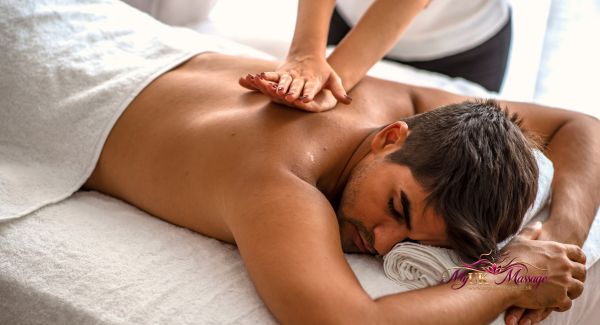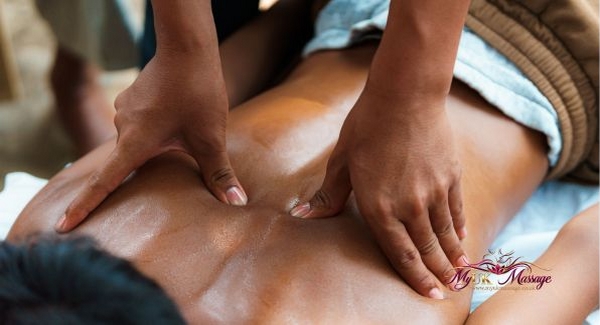
Body-to-body massage and Nuru massage are often mentioned together, and it is easy to see why. Both involve close-contact bodywork, flowing movements, and a more sensory approach than conventional therapeutic massage. Yet they are not quite the same, and understanding the difference can make a real difference when choosing a treatment.
In the UK, independent massage therapists, private studios and specialist agencies may advertise body-to-body massage, Nuru massage or both. Some use the terms interchangeably, while others describe two separate treatments with different products, techniques and appointment arrangements.
The main difference is relatively straightforward: body-to-body describes a broad method of physical contact, while Nuru is a more specific style associated with exceptionally slippery gel and continuous gliding movements. However, details vary by practitioner.
Understanding Body-to-Body Massage
Body-to-body massage, sometimes abbreviated to B2B massage, refers to a style of bodywork in which the practitioner may use broader body contact rather than relying exclusively on their hands, fingers and forearms.
The term is commonly encountered within the sensual massage market, although there is no single internationally recognised body-to-body massage routine.
Some practitioners combine close-contact movements with conventional oil massage, while others use a more specialised approach. Pressure, pace, products, and overall structure can vary.
This flexibility is one reason body-to-body massage can be difficult to define from its name alone. It describes a general technique rather than a standardised qualification or clinical treatment.
For a broader explanation of the style, see our body-to-body massage guide, which covers its terminology and place among specialist massage treatments.
Is Body-to-Body Massage Always Erotic?
Body-to-body massage is frequently advertised in sensual or adult-oriented settings, but the term itself describes a method of contact rather than a guaranteed list of services.
Some providers emphasise relaxation and physical closeness. Others offer sessions with a more explicitly erotic character.
It is therefore important not to assume that a particular form of intimate contact is included simply because the treatment is called body-to-body.
The practitioner's own description, the boundaries they establish and the arrangements agreed before the session are what matter.
What Makes Nuru Massage Different?
Nuru massage is closely associated with a distinctive, highly slippery gel that allows broad, continuous gliding contact. Many describe it as a specialised variation of body-to-body massage.
Where body-to-body massage may use conventional massage oil or another lubricant, Nuru generally relies on a gel designed to create particularly low friction.
The product's consistency affects how the movements feel and how the treatment environment needs to be prepared.
Nuru is also associated with Japan, although its exact commercial origins are not firmly documented. Do not confuse it with established Japanese therapeutic systems such as Shiatsu or Anma.
Our Nuru massage treatment page explains the style and its distinctive characteristics in greater detail.
Why Is the Gel So Important?
In conventional oil massage, a practitioner usually needs enough grip to perform controlled strokes, kneading and pressure-based techniques.
Nuru gel is typically formulated to reduce friction much further. This allows continuous gliding movements without the same level of resistance.
Not every product sold as Nuru gel has the same ingredients. Many are water-based, while some formulations contain seaweed-derived ingredients or other thickening agents.
The gel should be selected according to its intended use, ingredients and the client's skin sensitivity. A product described as natural does not automatically mean it suits everyone.
Body-to-Body vs Nuru Massage: The Main Differences
Although the two treatments overlap, several practical distinctions can help clients understand what they may be booking.
| Feature | Body-to-Body Massage | Nuru Massage |
|---|---|---|
| Basic approach | Broad close-contact bodywork | Gel-based close-contact gliding |
| Typical product | Massage oil or another suitable lubricant | Highly slippery Nuru-style gel |
| Movement | Varies between providers | Usually emphasises smooth, continuous movement |
| Friction | Depends on the product and technique | Typically very low |
| Treatment surface | Depends on the session and practitioner | Often requires additional waterproof protection |
| Cleaning arrangements | Usually depends on oil or product used | Gel removal and surface cleaning are important |
| Standardised routine | No universal protocol | No universal protocol |
These are typical distinctions rather than strict rules. Some practitioners offer a body-to-body treatment using gel, while others may adapt Nuru-style methods to their own facilities and treatment descriptions.
The table should therefore be used as a comparison guide, not as a guarantee of what an individual appointment includes.
Does One Treatment Offer More Physical Contact?
It is tempting to assume that Nuru automatically involves more contact than body-to-body massage, but that is not necessarily accurate.
The degree and nature of contact depend on the practitioner, the agreed treatment and the client's boundaries.
Body-to-body massage is a broad category, so one provider may offer a relatively gentle, relaxation-focused session while another uses a more extensive close-contact approach.
Nuru is distinguished primarily by the gel and the movements associated with it, not by a universally prescribed amount of physical contact.
Neither body-to-body nor Nuru massage automatically includes particular intimate activities. The treatment name does not replace informed consent or a clear explanation from the provider. Both parties should understand and agree to the boundaries before the appointment begins.
Clients should feel comfortable asking what a treatment involves. Practitioners are equally entitled to set their own professional and personal limits.
How Do the Techniques Compare?
The physical characteristics of each treatment are influenced by the lubricant, the treatment surface and the practitioner's approach.
Body-to-Body Massage Techniques
A body-to-body session may incorporate elements of conventional relaxing massage alongside broader contact methods.
Some practitioners use massage oil to allow smoother movements while maintaining enough friction for controlled strokes. Others may combine gentle touch with more structured massage techniques.
Because the term is broad, there is considerable variation in how these sessions are organised.
Nuru Massage Techniques
Nuru-style bodywork generally places greater emphasis on low-friction gliding movements made possible by the gel.
The treatment surface, amount of product and available space can influence how the session is conducted.
The gel's consistency also means that practitioners need to pay particular attention to stability and safe movement around the treatment area.
Can Conventional Massage Be Included?
Yes, some providers combine specialist treatments with more familiar massage methods.
For example, an appointment may include a period of conventional relaxing massage before moving to another form of bodywork. However, this varies by practitioner rather than being a standard requirement.
Clients primarily interested in traditional relaxation techniques may prefer to compare these options with a dedicated relaxing massage treatment.
Does Nuru Massage Need a Special Room?
The treatment environment is one of the more practical differences between conventional body-to-body massage and Nuru.
Because Nuru gel can make surfaces exceptionally slippery, the practitioner may need waterproof coverings, suitable flooring protection and facilities for cleaning both the treatment area and the skin.
Some specialist studios use dedicated waterproof treatment surfaces. Others adapt facilities to suit the particular service they offer.
A conventional massage couch may not be appropriate for every close-contact technique, especially if stability or surface protection is inadequate.
Are Shower Facilities Necessary?
Shower access can be particularly convenient after gel-based treatments, although the requirements depend on the product used.
Some water-based gels rinse away relatively easily, while others may require more thorough washing.
Clients should ask whether towels, shower facilities and changing space are provided. It is also worth checking whether cleaning and preparation time are included within the advertised appointment duration.
Can Either Treatment Be Offered as a Mobile Massage?
Some practitioners may offer close-contact massage outside their usual premises, but mobile availability should never be assumed.
Nuru-style treatments can be more demanding to arrange because of the gel, waterproof protection, available space and cleaning requirements.
A provider offering outcall massage may therefore limit which treatments can be booked at a hotel or private residence.
Before arranging a mobile appointment, confirm that the provider has suitable equipment and that the proposed location is appropriate for the treatment.
How Do These Styles Compare With Sensual and Erotic Massage?
Body-to-body and Nuru massage are often grouped alongside sensual and erotic massage, but the terminology serves different purposes.
Body-to-body describes a broad contact method. Nuru refers to a more specific gel-based approach. Sensual and erotic massage, meanwhile, generally describe the intended character or emphasis of a treatment.
A sensual massage may focus on gentle touch, atmosphere and sensory relaxation without using Nuru gel or body-to-body methods.
Likewise, an erotic massage may incorporate different techniques depending on the provider's description.
These categories can overlap, but they should not be treated as interchangeable.
Why Do Some Providers Advertise Several Styles Together?
Massage providers sometimes list several related treatments because their services incorporate elements from more than one approach.
Others may use familiar terms to help potential clients understand the general nature of their services.
This does not mean every listed treatment follows a completely different routine.
If a provider advertises Nuru, sensual and body-to-body massage, it is reasonable to ask how the appointments differ in practice and whether the prices reflect different durations, products or methods.
Which Treatment Is Better for a First Appointment?
There is no universally better choice. The best treatment depends on what the client wants, their comfort with close-contact bodywork, and the provider's approach.
Someone interested in a flexible massage that may incorporate conventional oil-based techniques might prefer a provider offering body-to-body massage.
A person specifically interested in the distinctive low-friction characteristics of Nuru gel may be more inclined to consider a Nuru-style session.
However, a first-time client should not feel obliged to choose either simply because they are popular search terms.
If the priority is straightforward relaxation, a conventional massage may be more appropriate. If a specialist treatment is being considered, the provider should explain what it involves clearly enough for the client to make an informed decision.
Choosing by Preference
- Prefer conventional massage oils? Ask whether the body-to-body treatment uses oil-based techniques.
- Interested in gel-based bodywork? Check whether the provider offers a specific Nuru treatment.
- Concerned about sensitive skin? Request the product ingredients before booking.
- Want a private studio appointment? Confirm the premises, facilities and location.
- Prefer a non-erotic treatment? Ask explicitly whether the service is strictly relaxation-focused.
Body-to-Body and Nuru Massage Prices in the UK
Prices for specialist massage treatments can vary considerably between practitioners and locations.
London providers may operate with different premises costs, appointment arrangements and treatment menus from those in smaller UK cities.
However, location alone does not determine the price. Session duration, facilities, products, individual experience and whether an appointment involves travel can all influence the final charge.
Nuru treatments may involve additional product and preparation requirements, but that does not automatically mean they cost more than body-to-body massage.
Some providers charge the same rate for several specialist styles, while others maintain separate prices.
What Should the Advertised Price Include?
Before booking, clients should confirm the full cost of the appointment and whether any additional charges apply.
Particular points to clarify include:
- The length of the actual treatment.
- Whether preparation and shower time are included.
- Any additional charges for specialist products.
- Deposits, cancellation terms and payment arrangements.
- Travel charges for appointments outside the practitioner's premises.
It is better to obtain a clear quotation than rely on a general price range that may not reflect the individual provider's arrangements.
Finding Body-to-Body and Nuru Massage in London
London has a varied specialist massage market, with independent practitioners, private studios and agencies operating across different parts of the capital.
Clients may encounter providers offering several related styles, but the availability of Nuru or body-to-body massage should always be confirmed directly.
Our massage in London page provides a starting point for exploring local providers and comparing their descriptions.
It is worth considering practical factors such as travel distance, appointment availability, privacy and whether the premises have suitable facilities for the chosen treatment.
What About Other UK Cities?
Specialist massage providers are not limited to the capital. Independent therapists and studios operate across the UK, though the range of treatments may vary.
For example, readers looking for massage in Manchester can compare local profiles and check whether individual providers offer Nuru or body-to-body sessions.
Search results and profile descriptions should be treated as a starting point rather than confirmation of current availability.
Independent Therapist or Massage Agency?
Choosing the right provider can be just as important as choosing the massage style.
Some clients prefer booking directly with an independent practitioner, particularly when they want to discuss the treatment method, gel ingredients or facilities with the person who will conduct the session.
My UK Massage features independent massage providers whose profiles can be compared by location and advertised services.
Other clients prefer contacting a massage agency that coordinates appointments with several practitioners.
The massage agency section offers another way to explore available providers and their booking arrangements.
Neither business model automatically guarantees better facilities or a particular treatment standard. Clear descriptions, appropriate premises, and respectful communication are better indicators.
Safety, Hygiene and Personal Boundaries
Any treatment involving close physical contact requires attention to consent, cleanliness and the comfort of both parties.
Clients should be informed about the nature of the session before it begins, and practitioners should explain any relevant limitations.
Consent must remain voluntary and can be withdrawn. Agreeing to a massage does not imply agreement to every possible form of contact.
For Nuru treatments, the gel and slippery surfaces introduce additional practical considerations. Suitable floor protection, secure treatment surfaces and proper cleaning procedures are particularly important.
Products should be used according to their manufacturer's instructions. Clients with allergies, skin conditions or known sensitivities should raise these concerns in advance.
Neither Nuru nor body-to-body massage should be presented as a medically proven treatment for injuries, chronic pain or psychological conditions without appropriate evidence.
Frequently Asked Questions
Is Nuru massage a type of body-to-body massage?
It is commonly described that way. Nuru is generally associated with close-contact bodywork using a highly slippery gel, while body-to-body massage is a broader category that may use different products and techniques.
Can body-to-body massage use Nuru gel?
Yes. Some providers combine body-to-body techniques with Nuru-style gel. The exact method depends on the individual treatment.
Is Nuru massage always more expensive?
No. Prices depend on the provider, appointment length, facilities and location. Specialist gel and preparation may influence charges, but there is no universal pricing rule.
Are both treatments available in private studios?
Some private studios offer these treatments, but availability varies. Nuru may require additional waterproof protection and cleaning arrangements.
Do body-to-body and Nuru massage have the same benefits?
Both may be experienced as relaxing by some clients, but neither has an established body of clinical evidence demonstrating specific medical benefits. Methods and individual experiences can differ.
How can I tell which treatment a provider actually offers?
Read the profile carefully and ask about the products, techniques, appointment structure and boundaries. A clear explanation is more reliable than the treatment label alone.
Making Sense of the Two Massage Styles
Body-to-body massage and Nuru share an emphasis on close-contact bodywork, but their defining characteristics are not identical.
Body-to-body is a broad description covering different techniques and products. Nuru is more specifically associated with highly slippery gel and low-friction gliding movements.
Neither name guarantees a particular routine, level of contact or appointment arrangement.
For clients comparing providers in the UK, the most useful questions concern the actual treatment, the products used, the premises, the total price and the boundaries agreed before the session.
Understanding those details is more valuable than relying on a massage label that may mean different things to different practitioners.