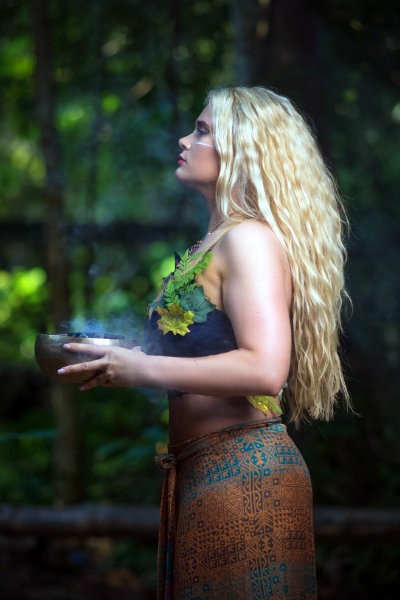
Tantric massage is a form of bodywork commonly associated with mindful touch, slow movements, breathing and an increased awareness of physical sensations. In the UK, the term is used by practitioners offering a wide range of experiences, from gentle relaxation and body awareness sessions to specialist sensual and intimate massage. There is no single standardised tantric massage routine, which makes understanding the individual practitioner's approach particularly important.
Some tantric massage practitioners emphasise calm breathing, relaxation and a respectful connection between body and mind. Others offer adult-oriented treatments that may include separately described intimate massage techniques. These differences reflect the broad commercial use of the term rather than one universally accepted method.
Tantric massage is also frequently associated with ideas about energy, emotional release and personal transformation. While some clients value these experiences, such claims should be understood as personal or spiritual interpretations rather than established medical outcomes. A tantric massage appointment should always be based on informed consent, clearly explained boundaries and realistic expectations.
What Is Tantric Massage?
Tantric massage is a contemporary form of bodywork that generally places emphasis on attentive touch, breathing, relaxation and sensory awareness. Depending on the practitioner, the session may involve conventional massage movements, periods of stillness, guided breathing or specialist sensual techniques.
Unlike Swedish or sports massage, tantric massage does not have one widely recognised professional training standard in the UK. Practitioners may study different contemporary methods, and their experience and qualifications can vary considerably.
Some sessions are presented as non-sexual body awareness treatments. Others are explicitly adult-oriented and may involve forms of intimate massage. The treatment description should make these distinctions clear before an appointment is arranged.
Understanding tantric massage: The term covers several contemporary approaches to mindful and sensual bodywork. It does not automatically establish that intimate touching, nudity or sexual activity is included in a particular appointment.
The Origins of Tantra and Modern Tantric Massage
Tantra refers to a diverse collection of religious, philosophical and ritual traditions that developed over many centuries, particularly within Hindu and Buddhist contexts in South Asia. These traditions include complex teachings and practices that cannot be reduced to massage or sexuality.
Modern commercial tantric massage is a much more recent development. It draws selectively on ideas associated with awareness, breathing, meditation and the relationship between physical and mental experience.
Some contemporary practitioners also incorporate concepts drawn from modern wellness culture and Western bodywork. As a result, a tantric massage advertised in the UK should not automatically be described as an ancient Indian therapeutic practice.
It is useful to distinguish historical Tantra from contemporary massage services. Although the terminology overlaps, the purpose and methods of a modern appointment may differ significantly from traditional religious practices.
What Makes Tantric Massage Different?
Tantric massage is often distinguished by the pace and intention of the session rather than by one specific manual technique. The practitioner may place greater emphasis on breathing, attention and the client's experience of physical sensations.
Mindful Touch
Movements may be slow and deliberate, with attention given to comfort and awareness rather than muscular pressure alone.
Breathing
Some practitioners encourage comfortable, natural breathing or simple breathing exercises during the session.
Body Awareness
The appointment may encourage clients to notice physical sensations without attempting to achieve a particular result.
Individual Approach
Practitioners may adapt the treatment to personal preferences, boundaries and the agreed purpose of the appointment.
These features are not exclusive to tantric massage. Other forms of relaxation and mindful bodywork may use similar approaches. The distinction depends on how the practitioner combines and presents the techniques.
The Role of Breathing in Tantric Massage
Breathing is frequently mentioned in contemporary tantric massage descriptions. Some practitioners invite clients to notice their natural breathing or use gentle breathing exercises to support relaxation.
There is no requirement to follow a complicated breathing routine. A client should be able to breathe comfortably without pressure to achieve a particular physical or emotional response.
Intensive breathwork can cause dizziness or discomfort and may be unsuitable for some people. Practitioners should remain within their competence and avoid presenting breathing exercises as a treatment for medical or psychological conditions.
Mindfulness and Physical Awareness
Mindfulness generally involves paying attention to present experiences without immediately judging or reacting to them. In a massage setting, this may mean noticing pressure, temperature, movement and areas of comfort.
Some tantric massage practitioners incorporate periods of stillness or gentle guidance to encourage awareness of the body. Others concentrate primarily on the physical treatment.
Clients do not need previous meditation experience to attend a tantric massage appointment. However, they should understand whether mindfulness exercises form part of the advertised service and feel free to decline anything unsuitable.
Tantric Massage Compared with Sensual Massage
Sensual massage is a broad category of bodywork that emphasises touch, atmosphere and physical enjoyment. It may involve gentle oil massage, slow movements or other specialist techniques.
Tantric massage may share these characteristics, but contemporary practitioners often place additional emphasis on breathing, awareness or ideas drawn from tantric philosophy.
Not every sensual massage is tantric, and not every tantric massage is intended to be erotic. The two categories can overlap without being interchangeable.
Tantric Massage Compared with Conventional Relaxation Massage
Conventional relaxation massage generally uses familiar techniques such as gliding strokes and kneading to create a comfortable physical experience. The practitioner may concentrate on the back, shoulders, arms and legs.
Tantric massage may use similar movements but place greater emphasis on the client's awareness, breathing and personal experience. Some appointments also include specialist elements not found in ordinary spa massage.
Clients seeking straightforward muscular relaxation may prefer a conventional treatment. Those interested in mindful bodywork may find a clearly described tantric appointment more relevant to their preferences.
Different Approaches to Tantric Massage
Because tantric massage is not standardised, practitioners may offer substantially different sessions under the same name. Understanding the advertised approach is more useful than assuming that all providers follow one method.
Relaxation-Focused Tantric Massage
Some practitioners offer tantric-inspired massage with an emphasis on gentle touch, calm breathing and relaxation. These sessions may use familiar massage oils and movements without including intimate contact.
The treatment may appeal to clients interested in a slower, more attentive style of bodywork. Its suitability depends on individual comfort and expectations.
Mindful Bodywork Sessions
Other practitioners combine massage with guided awareness exercises or periods of stillness. The emphasis may be on noticing physical sensations and responding to them without pressure.
These sessions should not be presented as a substitute for psychotherapy or medical treatment. Practitioners should explain their qualifications and avoid promising emotional or psychological outcomes.
Sensual Tantric Massage
Some tantric massage services are explicitly sensual or adult-oriented. They may incorporate a more intimate atmosphere or separately described specialist techniques.
The nature of the appointment should be established clearly before booking. A tantric label does not automatically include intimate touching or sexual services.
What Is Lingam Massage?
Lingam massage is a term used in some contemporary tantric massage settings for intimate massage involving male genital anatomy. The word lingam has a wider religious and cultural meaning in Hindu traditions, and its commercial use should not be confused with those traditional contexts.
Within modern adult-oriented massage, lingam massage is usually presented as a specialist service rather than a standard part of every tantric appointment. Providers may differ in their methods, boundaries and descriptions.
Our guide to lingam massage and its contemporary interpretations explains the terminology in more detail. Clients should not assume that a practitioner offering tantric massage also provides this specialist treatment.
What Is Yoni Massage?
Yoni massage is another expression found in contemporary tantric massage descriptions. In commercial adult-oriented settings, it is generally associated with intimate massage involving female genital anatomy.
The word yoni also has broader cultural and religious meanings. Modern commercial treatments using the term should not automatically be represented as traditional religious practices or recognised medical therapies.
Read our guide to yoni massage and its meaning within contemporary bodywork for further context. As with other intimate services, availability and boundaries must be expressly established.
Does Tantric Massage Always Involve Intimate Touch?
No. Some practitioners offer tantric-inspired relaxation and mindful bodywork without intimate contact. Others specialise in adult-oriented treatments that may include separately described intimate services.
The difference is important because tantric massage is sometimes portrayed as though all appointments follow the same format. In practice, individual providers may have very different boundaries.
Clients should read the complete treatment description and ask reasonable questions before booking. The practitioner's consent and personal limits are as important as the client's preferences.
What Happens During a Tantric Massage Appointment?
A tantric massage appointment should begin with a clear explanation of the treatment. The practitioner may ask about the client's preferences, relevant health considerations and any areas that should be avoided.
Some sessions include a short discussion about breathing or body awareness. Others begin with conventional massage techniques and incorporate mindful attention throughout the appointment.
The treatment may use oil or lotion, depending on the practitioner's approach. Pressure is often described as gentle or moderate, although individual services vary.
Clients should understand the clothing arrangements, areas of contact and any specialist elements before the session begins. Nothing should be introduced unexpectedly or without agreement.
Tantric Massage for First-Time Clients
People considering tantric massage for the first time may be uncertain about the terminology. Commercial descriptions sometimes refer to energy, intimacy or personal transformation without clearly explaining the practical treatment.
Before booking, it is reasonable to ask whether the session is relaxation-focused, mindful bodywork or an adult-oriented service. The practitioner should explain what the appointment involves in straightforward language.
First-time clients should also confirm the duration, total fee, treatment location and clothing arrangements. Clear communication helps establish whether the service matches their expectations.
Consent and Personal Boundaries
Consent is essential in every massage appointment, particularly when the treatment may involve intimate or adult-oriented elements. Both practitioner and client should understand the nature of the agreed contact.
Consent must be freely given and can be withdrawn at any time. Agreement to one activity does not provide permission for another, and payment does not override personal boundaries.
A practitioner may refuse any request outside the advertised service. Clients should also feel comfortable declining techniques or stopping an appointment if they become uncomfortable.
Consent is ongoing: A tantric massage booking does not imply permission for unrestricted physical contact. Every activity must remain voluntary, clearly understood and within the boundaries agreed by both participants.
Clothing, Draping and Privacy
Clothing arrangements vary between tantric massage providers. Some sessions follow conventional massage practices with towels or sheets, while specialist adult-oriented appointments may describe different arrangements.
Clients should establish what level of undress, if any, is expected. Nudity should never be treated as compulsory or interpreted as consent to intimate contact.
A suitable treatment setting should provide privacy and appropriate changing arrangements. Photographs and recordings must not be made without explicit consent.
Massage Oils and the Treatment Environment
Many tantric massage practitioners use oils or lotions to support smooth movements. Some offer fragrance-free products, while others use scented oils as part of the atmosphere.
Clients should mention known allergies or skin sensitivities before treatment. Essential oils and other fragranced products are not suitable for everyone.
The treatment room may include soft lighting, background music or other features intended to create a calm setting. These details are matters of presentation rather than evidence of the practitioner's qualifications.
Claims About Energy and Emotional Release
Contemporary tantric massage descriptions sometimes refer to energy flow, blocked emotions or personal transformation. These concepts may be meaningful within a practitioner's spiritual framework, but they should not be presented as established medical mechanisms.
Some clients may experience strong emotions during bodywork, while others simply find the appointment relaxing. Neither response should be treated as proof that a particular psychological process has occurred.
There is insufficient reliable clinical evidence to establish tantric massage as a treatment for trauma, anxiety disorders, depression or sexual dysfunction. People seeking help with these concerns should consult appropriately qualified professionals.
Can Tantric Massage Support Relaxation?
Some people may find gentle touch, a quiet environment and comfortable breathing relaxing. However, individual responses vary, and the experience depends on the practitioner's approach and the client's preferences.
Research on massage more broadly suggests that certain treatments may provide short-term comfort or reductions in perceived stress. These findings do not establish specific therapeutic benefits for tantric massage as a distinct practice.
Tantric massage should be considered an experiential service rather than a guaranteed treatment for medical or psychological conditions.
When Tantric Massage May Not Be Appropriate
People with acute injuries, active skin infections, unexplained pain or other concerning symptoms may need to postpone massage or seek medical advice. The practitioner should ask about relevant health conditions before treatment.
Clients with a history of trauma may find some forms of touch or guided body awareness uncomfortable. A responsible practitioner should respect individual preferences and avoid pressuring anyone to continue.
Tantric massage should not replace professional mental health care, sexual health services or medical assessment where these are required.
Independent Tantric Massage Practitioners
Independent tantric massage practitioners may work from private studios, dedicated treatment rooms or suitable mobile settings. Some concentrate on mindful relaxation, while others offer specialist sensual services.
Adults can browse independent massage practitioners across the UK and review individual treatment descriptions. Clients should establish the provider's training, approach and boundaries rather than assume that every tantric massage follows the same format.
Independent practitioners may offer personalised appointment durations or different treatment options, depending on their services.
Tantric Massage at Studios and Agencies
Some massage studios offer tantric massage alongside sensual, relaxing and other specialist treatments. However, individual practitioners may have different qualifications, working preferences and personal boundaries.
Clients can compare massage studios, parlours and agencies to review treatment settings and advertised services. A business description should not be treated as confirmation that every practitioner offers intimate massage.
Clear information about the treatment, privacy, hygiene and appointment conditions remains important regardless of the establishment.
Incall and Outcall Tantric Massage
Incall tantric massage takes place at the practitioner's premises or another designated treatment location. A prepared treatment room may provide a massage table, clean towels and a private environment.
Some practitioners offer outcall appointments at suitable homes, hotels or private accommodation. Mobile services require adequate space, privacy and appropriate hygiene arrangements.
Clients should confirm whether the practitioner brings equipment, whether towels are supplied and whether travel charges apply. Not every tantric massage service is available as an outcall appointment.
Finding Tantric Massage Across the UK
Tantric massage is advertised by a variety of practitioners, but the treatment format can differ substantially. Some providers concentrate on relaxation and body awareness, while others offer adult-oriented services.
City-based browsing can help compare locations and individual profiles, although the treatment description remains more important than the category name alone.
Tantric Massage in Glasgow
Adults researching massage providers in Glasgow can review local profiles for relaxation, sensual and specialist tantric treatments. Those interested in tantric massage should establish whether the practitioner offers mindful bodywork, an adult-oriented appointment or another clearly described approach.
Practical considerations include the treatment location, privacy, appointment duration and individual boundaries. Legal requirements affecting certain adult-oriented services in Scotland may also differ from those elsewhere in the UK.
Tantric Massage in Leeds
People comparing massage appointments in Leeds can similarly examine individual profiles for tantric and related treatments. Some practitioners may emphasise breathing and relaxation, while others advertise separately defined specialist services.
Clients should confirm the treatment format and working arrangements before booking. The same considerations apply across West Yorkshire and other UK locations.
How Much Does Tantric Massage Cost in the UK?
There is no standard UK-wide price for tantric massage. Fees depend on location, appointment duration, practitioner experience, facilities and the particular service offered.
Some practitioners offer shorter sessions, while others provide extended appointments that allow more time for relaxation or mindful bodywork. Longer sessions are not automatically more beneficial.
Outcall appointments may involve additional travel charges. Clients should establish the total fee, deposit requirements and cancellation conditions before booking.
A higher price does not automatically mean that intimate services are included. The appointment remains limited to the treatment expressly agreed.
Legal Considerations for Tantric Massage in the UK
Tantric massage may describe non-sexual relaxation bodywork or an adult-oriented service. The legal position depends on the actual activities involved, the location and the business arrangements.
England, Wales, Scotland and Northern Ireland have distinct legal frameworks affecting aspects of the adult-services sector. Local authority licensing requirements may also apply to certain premises or activities.
Practitioners and businesses should understand the requirements relevant to their services and obtain qualified legal advice where necessary. A private appointment or commercial listing does not automatically establish that every proposed activity is lawful.
Choosing a Tantric Massage Practitioner
The most suitable practitioner is someone who explains their approach clearly and respects personal boundaries. Because tantric massage is not standardised, clients should pay particular attention to the actual service description.
Before arranging an appointment, consider the following:
- Treatment approach: Is the session focused on relaxation, mindful bodywork or a specialist adult-oriented service?
- Training: Can the practitioner explain their massage background and relevant experience?
- Breathing and awareness: Are any guided exercises described clearly and offered without pressure?
- Physical boundaries: Are the areas of contact and any limitations understood by both participants?
- Clothing arrangements: Does the practitioner explain what level of undress, if any, is expected?
- Hygiene: Are clean towels, suitable products and properly maintained treatment surfaces available?
- Privacy: Does the appointment setting provide appropriate discretion?
- Price and duration: Is the total fee clear, including any additional charges?
Clients should be cautious of unsupported medical claims or promises of guaranteed emotional transformation. A responsible practitioner should explain what the treatment may involve without presenting subjective experiences as established clinical outcomes.
Understanding Tantric Massage Before Booking
Tantric massage is a contemporary form of bodywork associated with mindful touch, breathing and physical awareness. Its commercial interpretation varies widely, from gentle relaxation to specialist sensual and intimate treatments.
For adults considering tantric massage in the UK, the important distinctions are the practitioner's approach, the techniques offered and the boundaries agreed by both participants. Clear descriptions, suitable facilities, hygiene and informed consent help clients choose an appointment that matches their preferences without making assumptions about intimacy or therapeutic benefits.